
The internet has made financial information easier to access than ever. From understanding credit cards and personal loans to following stock market movements and learning about investments, people can find information about almost every financial subject online. However, not every website that discusses money provides the same level of accuracy, transparency, or professional insight.
This is where FundFireInsight.com attracts attention. Its name suggests a website focused on financial knowledge, market developments, and investment-related information. For readers who want to understand financial topics without spending hours researching complicated terminology, a finance-focused website may seem like a convenient starting point.
But is it actually a reliable resource? Does it provide professional financial analysis, or is it primarily a general-interest publishing website? And should American readers use its articles when making important money decisions?
This fundfireinsight.com review explores the website’s apparent purpose, content categories, potential benefits, limitations, credibility, and online safety. It also explains an important distinction between FundFireInsight.com and the established FundFire publication associated with the Financial Times.
The goal is simple: help readers understand what the website appears to offer and how to evaluate its information responsibly.

1. What Is FundFireInsight.com?
FundFireInsight.com appears to be a finance- and business-focused online publishing website. Available descriptions of the website identify it as a digital publication covering subjects connected with financial markets, banking, credit cards, loans, insurance, investing, and stocks.
Rather than functioning like a traditional financial institution, it appears to operate more like an informational blog.
This distinction is important.
A financial institution may offer banking services, investment accounts, insurance policies, or professional financial advice. An informational website, on the other hand, primarily shares articles intended to explain topics, introduce financial concepts, and provide general information.
Readers should not assume that a website offers professional financial services simply because its name includes words associated with investment research.
The apparent purpose of FundFireInsight.com is to make financial and business information accessible to online readers. People interested in learning about everyday money matters or exploring general investment terminology may find this type of publication useful.
However, the availability of financial articles does not automatically establish the accuracy or professional quality of those articles.
It is always important to examine the information, its sources, and the qualifications of the people publishing it.
2. What Topics Does the Website Cover?
Financial knowledge includes many different subjects. Someone interested in personal budgeting may have very different needs from a professional investor researching institutional asset management.
A broad finance publication can potentially serve readers with different interests by organizing information into several categories.
Based on available descriptions of the website, its subject areas include the following.
Finance
The finance category appears to cover general financial concepts and developments.
Possible areas of interest include:
- Understanding financial terminology.
- Learning about money management.
- Exploring financial markets.
- Following business and economic developments.
- Understanding different financial products.
- Learning about financial planning.
These subjects can help beginners become more familiar with how the financial world works.
For example, someone who has never studied finance may want to understand the difference between revenue, profit, assets, and liabilities. Educational articles can provide a starting point before that person explores more detailed resources.
Banking
Banking is another important area of personal finance.
American readers regularly deal with checking accounts, savings accounts, bank fees, interest rates, and digital banking services.
Articles about banking may help readers understand:
- How checking and savings accounts work.
- What annual percentage yield means.
- How bank fees affect account balances.
- Why interest rates change.
- How online banking services operate.
- What to consider when comparing financial institutions.
For US readers, it is especially important to compare banking information with official information from the relevant bank or credit union.
Credit Cards
Credit cards are an essential part of everyday financial activity in the United States.
However, using them without understanding interest rates, fees, and repayment conditions can create financial difficulties.
A useful credit card guide should explain:
- Annual percentage rates (APR).
- Annual membership fees.
- Credit utilization.
- Minimum monthly payments.
- Balance transfers.
- Rewards programs.
- Late payment charges.
Readers should also understand that paying the full statement balance on time can help avoid interest charges on purchases when the account terms provide a grace period.
Any credit card information found online should be checked against the card issuer’s official agreement.
Insurance
Insurance helps individuals and families manage certain financial risks.
The subject covers several important products, including health insurance, auto insurance, homeowners insurance, renters insurance, and life insurance.
Readers may look for information about:
- Insurance premiums.
- Deductibles.
- Coverage limits.
- Policy exclusions.
- Claims procedures.
- Comparing insurance providers.
These topics are particularly relevant to American households because insurance costs and coverage requirements can differ considerably between states.
A general article can explain basic terminology, but policy decisions should always be based on actual policy documents and qualified guidance.
Loans
Loans allow individuals and businesses to borrow money for different purposes.
Common US borrowing options include personal loans, auto loans, student loans, mortgages, and small-business financing.
Educational articles about loans can help readers understand:
- Fixed and variable interest rates.
- Loan repayment periods.
- Monthly installments.
- Origination fees.
- Credit requirements.
- Total borrowing costs.
The most important lesson is to compare the total cost of borrowing rather than focusing only on the advertised monthly payment.
Investments and Stocks
Investing is one of the most complicated areas of personal finance.
People may search online for information about stock market trends, investment strategies, company performance, and portfolio management.
Useful educational subjects include:
- Stocks and bonds.
- Mutual funds.
- Exchange-traded funds (ETFs).
- Portfolio diversification.
- Risk tolerance.
- Long-term investing.
- Market volatility.
However, general investment information is not the same as personalized investment advice.
Readers should independently verify market figures, company information, and investment claims before making decisions.

3. Who Can Benefit From Visiting the Website?
Not every financial website is designed for the same audience. Some publications focus on professional investment managers, while others provide general information for people who want to improve their financial knowledge.
FundFireInsight.com appears more closely aligned with a general-interest finance audience.
Here are some readers who may find this type of website relevant.
Beginners Learning About Personal Finance
People who are new to financial topics often struggle with unfamiliar terminology.
Terms such as compound interest, credit utilization, capital gains, inflation, and diversification can initially seem complicated.
Beginner-friendly financial articles can help explain these concepts in straightforward language.
For example, someone learning about compound interest may benefit from understanding how interest can accumulate over time and why starting to save early can make a difference.
Everyday Consumers
American consumers regularly make decisions involving loans, insurance, banking, and credit cards.
They may want to understand a financial product before contacting a provider.
General informational articles can help them prepare questions and identify important details to compare.
However, readers should never treat a general article as a replacement for checking the actual terms of a financial product.
Small Business Owners
Small business owners need financial knowledge to manage expenses, understand borrowing options, evaluate cash flow, and plan for growth.
Business-related financial information can introduce useful concepts, including:
- Business budgeting.
- Cash flow management.
- Operating expenses.
- Business credit.
- Financing options.
- Revenue and profitability.
This information can support basic learning, although complicated tax, legal, and accounting matters require qualified professional assistance.
People Interested in Financial News
Some readers simply want to understand what is happening in the economy.
They may follow inflation, interest rates, stock market movements, banking developments, and business trends.
A finance publication can be one starting point for exploring these subjects.
Nevertheless, readers should compare important developments with established financial news organizations and original sources.
4. Is FundFireInsight.com a Financial Platform or an Information Website?
One of the most important questions readers should ask is what kind of service a website actually provides.
The name FundFireInsight.com might sound like an advanced financial intelligence platform. Some visitors could expect investment research, portfolio management tools, market data, or professional advisory services.
However, the available information describes it primarily as a content-publishing website.
These are two very different things.
| Website type | Main purpose |
|---|---|
| Financial blog | Publishes educational articles and general information |
| Brokerage platform | Allows eligible customers to trade investments |
| Investment adviser | Provides investment advice under applicable regulatory requirements |
| Banking platform | Offers financial accounts and banking services |
| Market research service | Provides specialized financial analysis and research |
The available descriptions do not establish FundFireInsight.com as a bank, brokerage, registered investment adviser, or professional trading platform.
Therefore, readers should approach it as an informational resource rather than assume it provides financial services.
This is particularly important for people searching for investment recommendations or tools to manage their money.
5. Understanding the Difference Between FundFireInsight.com and FundFire.com
This is an important distinction that deserves attention.
FundFireInsight.com and FundFire.com have similar names, but they should not automatically be considered the same organization.
The established FundFire publication operates through FundFire.com and is part of the Financial Times Specialist publishing ecosystem.
According to its official website, FundFire provides news and competitive intelligence for professionals working in institutional and high-net-worth asset management. Its coverage includes investment trends, regulatory developments, industry appointments, and alternative investments. Institutional Asset Management News+1
FundFireInsight.com is a separate domain.
I found no verified official statement establishing that FundFireInsight.com is owned by, operated by, or affiliated with FundFire or the Financial Times.
Why does this matter?
Because readers sometimes assume that websites with similar names share the same reputation, ownership, or editorial standards.
That assumption can be misleading.
For example, someone searching for professional asset-management research may arrive at a similarly named website and believe they have found the established publication.
Before relying on a financial website, always check:
- Its exact domain name.
- Its ownership information.
- Its official company details.
- Its editorial team.
- Its relationship with any similarly named organization.
A familiar-sounding name is not proof of an official business relationship.
6. Website Design and User Experience
A financial information website should make it easy for visitors to locate useful information.
Good website design is not simply about attractive colors or modern graphics. It also involves navigation, readability, accessibility, and how effectively information is organized.
For a website covering multiple financial subjects, clear categories can make browsing more convenient.
Content Organization
A finance publication benefits from separating subjects such as banking, investments, credit cards, insurance, and loans.
This organization helps readers find articles that match their interests.
For instance, someone researching personal borrowing should not have to browse unrelated stock market articles to locate basic loan information.
Readability
Financial topics can become difficult when writers use too much technical language.
A useful educational article should explain unfamiliar terms, provide examples, and organize information into understandable sections.
Short paragraphs, descriptive headings, and practical explanations can improve the reading experience.
Mobile Accessibility
Many Americans access online financial information through smartphones.
A mobile-friendly website should display text clearly, load pages efficiently, and provide navigation that works on smaller screens.
However, I could not independently verify the website’s current mobile performance or loading speed during this review.
These are areas readers can assess when visiting the live website.
Overall User Experience
Based on the available descriptions, the website appears to follow a conventional finance-blog publishing model rather than offering a specialized interactive financial platform.
That may be sufficient for someone looking for general reading material.
It would be less suitable for a visitor expecting advanced financial calculators, live trading dashboards, portfolio tracking, or institutional research tools.
7. Is FundFireInsight.com Legit?
Legitimacy is an important consideration whenever a website discusses money.
A legitimate publishing website should be distinguishable from a fraudulent financial service. However, simply having a functioning website does not establish that every article is accurate or that the publisher has professional financial qualifications.
The available information describes FundFireInsight.com as a finance and business content website.
It does not establish the website as a regulated financial institution.
There are several factors readers should consider.
Website Identity
A trustworthy publication should make its identity reasonably clear.
Readers should be able to find information about the company, publisher, editorial team, and contact methods.
Available third-party descriptions report that the site’s ownership and editorial personnel are not clearly identified.
This creates a transparency limitation.
Author Credentials
Financial writing can influence decisions involving savings, investments, borrowing, and insurance.
For this reason, author experience matters.
A writer discussing general financial terminology does not necessarily need to be a licensed adviser. However, articles involving investment recommendations or technical financial claims should provide appropriate expertise and reliable references.
Available descriptions indicate that the site’s visible author information does not provide enough independently verifiable professional credentials to establish specialist financial expertise.
Editorial Standards
A responsible finance publication should have processes for checking facts and correcting mistakes.
Some descriptions of the website report the presence of editorial and corrections policy pages.
That is a positive starting point, but the existence of a policy page does not independently prove that every article follows those standards.
Readers should examine whether individual articles cite credible sources, identify their authors, and explain the basis for important financial claims.
Final Legitimacy Assessment
There is not enough independently verified information to label the website a scam.
At the same time, there is not enough evidence to recommend treating it as an authoritative financial research provider.
The sensible approach is to distinguish between reading general information and trusting a website with financial decisions.
8. Is FundFireInsight.com Safe to Visit?
Online safety involves more than whether a website opens successfully.
There are two separate considerations: technical browsing safety and the reliability of published information.
Technical Website Safety
HTTPS encryption helps protect information exchanged between a browser and a website.
However, HTTPS does not guarantee that a publisher is trustworthy or that its content is accurate.
It also does not automatically establish that a website has been independently audited for security.
Readers should avoid downloading unknown files, clicking suspicious advertisements, or entering sensitive information without understanding why it is required.
Personal Information
A general informational website should not need your bank password, Social Security number, brokerage login, or payment card details simply to let you read an article.
If a page requests unusually sensitive information, stop and investigate before proceeding.
Financial Information Safety
This is arguably the bigger concern.
An inaccurate article about an ordinary topic may cause confusion. An inaccurate article about investments, loans, or insurance could potentially have financial consequences.
Therefore, readers should verify important claims through official sources.
For US investors, the SEC’s Investor.gov website provides tools for checking investment professionals and their registration backgrounds. Investor.gov+1

9. Potential Benefits of Using the Website
Although readers should be cautious about relying on unverified financial information, a general finance publication may still offer some useful benefits.
Here are several potential advantages.
1. Access to General Financial Information
A website that publishes articles across different financial categories can help readers explore subjects they might not otherwise investigate.
This can be particularly helpful for people building basic financial literacy.
2. Exposure to Different Financial Topics
Instead of focusing on a single subject, a broad publication may introduce readers to banking, insurance, loans, investments, and business concepts.
This allows visitors to explore different areas of personal and professional finance.
3. Convenient Online Reading
Online articles can be accessed whenever readers have an internet connection.
People can explore financial topics during their free time without purchasing a textbook or enrolling in a course.
4. Useful Starting Points for Research
A general article may introduce a topic and help readers identify questions that deserve further investigation.
For example, a basic explanation of ETFs could encourage someone to research fund expenses, diversification, market risk, and tax considerations through more authoritative sources.
5. Broad Audience Appeal
Financial education is relevant to students, employees, entrepreneurs, homeowners, and retirees.
A publication covering multiple financial categories may appeal to readers with different levels of experience.
These benefits describe the potential value of a general financial publication. They should not be confused with independently verified performance or editorial quality ratings for this particular website.
10. Limitations Readers Should Know About
Every website has limitations, and financial publications require especially careful evaluation.
There are several reasons readers should avoid relying entirely on FundFireInsight.com.
Limited Ownership Transparency
Readers need to know who is responsible for publishing financial information.
When ownership details are unclear, it becomes harder to evaluate accountability.
Unclear Professional Qualifications
Financial knowledge can be highly specialized.
A person writing about basic budgeting may have a different background from someone analyzing investment portfolios or securities regulations.
Without verifiable author credentials, readers cannot easily assess the professional expertise behind an article.
No Established Proof of Investment Services
The available evidence does not establish that the website offers brokerage services, regulated investment advice, portfolio management, or professional trading tools.
People looking for those services should use appropriately regulated providers.
Information May Require Independent Verification
Financial information changes frequently.
Interest rates, tax rules, lending conditions, insurance requirements, and market prices can become outdated.
An article that was accurate when published may not reflect current conditions.
Similar Brand Names Can Cause Confusion
The distinction between FundFireInsight.com and the established FundFire.com publication is important.
Readers should check the exact website address before assuming they are accessing a particular financial publisher.
Overall, these limitations suggest that the website should be approached as a general information source rather than a primary authority for financial decisions.
11. How Does It Compare With Established Financial Websites?
To understand the potential value of a finance publication, it helps to compare it with established resources.
American readers have access to several organizations that provide financial education, regulatory information, and professional market reporting.
Here are some useful alternatives.
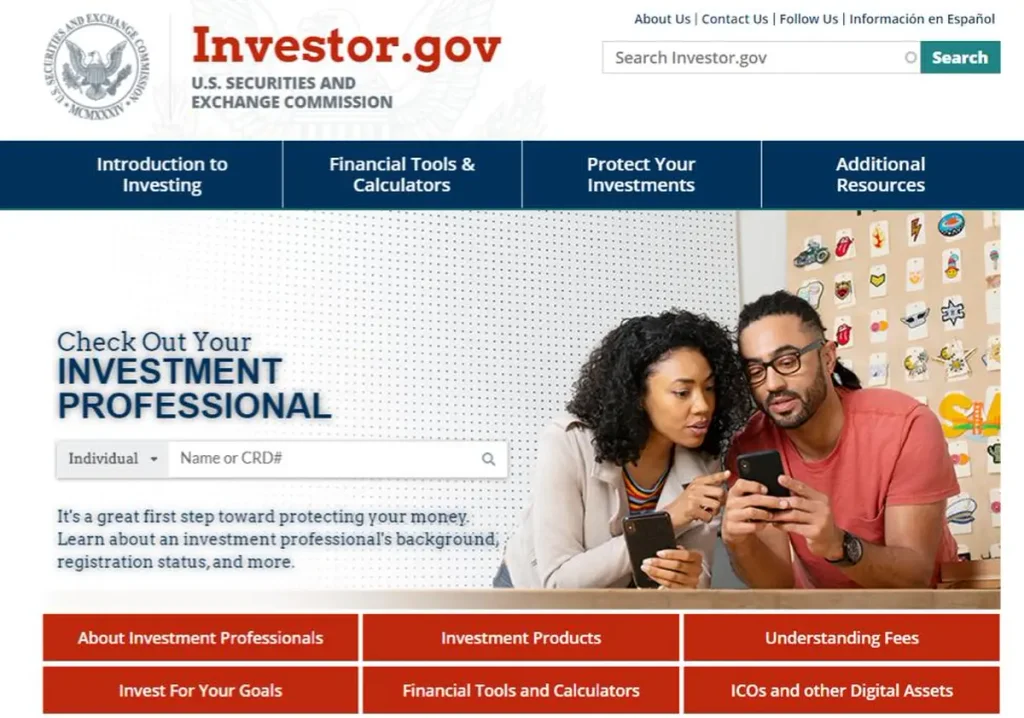
Investor.gov
Best for investor education, understanding investment risks, and checking financial professionals
FINRA
Useful for researching brokers, understanding securities regulations, and checking investment professionals.
Federal Reserve
Provides official information about monetary policy, interest rates, banking, and economic conditions.
Financial Times
Offers financial journalism, economic reporting, and business coverage.
These resources serve different purposes. Investor.gov and FINRA are particularly useful for regulatory and investor-protection information, while the Federal Reserve provides primary economic information.
FundFireInsight.com may serve as an additional reading source, but it should not replace established financial resources when accuracy is essential.
12. Practical Tips for Getting the Most From Financial Websites
Whether you are visiting FundFireInsight.com or another finance publication, developing good research habits can help you avoid common mistakes.
Here are some practical recommendations.
Check the Publication Date
Always look for the original publication date and the last updated date.
An article about interest rates or tax rules may become outdated relatively quickly.
Verify Important Statistics
If an article mentions a stock price, interest rate, inflation figure, or financial forecast, look for the original source.
For example, economic information can often be checked through government publications and official financial institutions.
Avoid Blindly Following Investment Predictions
No website can guarantee that a particular stock, cryptocurrency, or investment fund will generate profits.
Be cautious of articles promising guaranteed returns or suggesting that a specific investment has no risk.
Understand the Difference Between Information and Advice
General educational content explains how financial products and concepts work.
Personalized financial advice considers an individual’s goals, financial circumstances, risk tolerance, and other relevant details.
These are not interchangeable.
Check Regulatory Registration
If a website introduces you to a financial professional or investment service, independently verify the provider’s registration.
The SEC’s Investor.gov resources can direct readers to the appropriate registration databases. Investor.gov+1
Compare Multiple Sources
Never make a significant financial decision based on a single article.
Compare information with government agencies, financial regulators, official company documents, and qualified professionals.
These simple habits can make online financial research more productive and safer.
13. Who Should Use FundFireInsight.com?
The website may be relevant to people who enjoy exploring finance and business content online.
However, its suitability depends on what a visitor expects.
| Reader type | Potential suitability |
|---|---|
| Finance beginners | May be useful for general reading |
| Everyday consumers | May help introduce financial concepts |
| Small business owners | Potential starting point for business topics |
| Professional investors | Not established as a specialist research service |
| People seeking trading tools | No verified evidence of trading functionality |
| People seeking personal financial advice | Not established as an advisory service |
If your goal is simply to explore financial terminology or read general business information, a content publication may be worth investigating.
If you need professional investment research, personalized financial planning, or regulated financial services, you should look elsewhere.
14. Our Final Verdict on FundFireInsight.com
After considering the available information, FundFireInsight.com appears to be a general finance and business publishing website rather than a specialized financial institution or investment platform.
Its apparent subject coverage includes banking, credit cards, loans, insurance, investments, stocks, and other money-related topics.
This broad approach may make the website relevant to readers who want to explore different financial subjects.
However, there are important limitations.
Ownership transparency and verifiable author qualifications are not sufficiently established by the available information. The site’s editorial standards should also be assessed through its actual articles rather than accepted solely on the basis of published policy statements.
There is another important point: FundFireInsight.com should not be confused with FundFire.com, the established Financial Times Specialist publication covering institutional and high-net-worth asset management.
Our assessment
General information potential
Possible use
Ownership transparency
Needs verification
Author qualifications
Not established
Regulated financial services
Not established
Investment advice reliability
Not established
The overall conclusion is that readers can investigate the website as a potential source of general financial reading, but they should not automatically trust its financial claims or use it as their only source of investment information.
For American consumers, checking financial information against SEC resources, FINRA, the Federal Reserve, and official financial providers is a much safer approach.
In short, approach the website with curiosity, but make financial decisions with verified information.
15. Frequently Asked Questions (FAQs)
1. What is FundFireInsight.com?
FundFireInsight.com appears to be an online finance and business publishing website. Available descriptions identify topics such as banking, loans, insurance, credit cards, investments, and stocks.
2. Is FundFireInsight.com a legitimate website?
It appears to be a finance-focused publishing website, but its ownership, editorial accountability, and professional credentials are not sufficiently established. Readers should independently evaluate its content.
3. Is FundFireInsight.com a trading platform?
There is no verified evidence establishing it as a brokerage or trading platform. Readers looking to buy and sell investments should use an appropriately registered financial provider.
4. Is FundFireInsight.com connected to the Financial Times?
No verified official connection has been established. FundFireInsight.com and FundFire.com are separate domains. FundFire.com is the established Financial Times Specialist publication.
5. What topics does FundFireInsight.com cover?
Available descriptions identify finance, banking, credit cards, loans, insurance, stocks, and investments among its subject areas.
6. Can beginners use FundFireInsight.com?
Beginners may find general financial articles useful as introductory reading. However, they should verify important information using official sources.
7. Does FundFireInsight.com provide financial advice?
The available evidence does not establish it as a registered financial advisory service. Readers should not interpret general educational articles as personalized investment advice.
8. Is FundFireInsight.com safe?
There is insufficient independently verified evidence to provide a comprehensive security assessment. Avoid sharing sensitive financial information or downloading unfamiliar files, and use normal online safety precautions.
9. Should investors rely on FundFireInsight.com?
Investors should not rely on it as their sole source of financial information. Investment decisions require careful research, verification, and consideration of individual financial circumstances.
10. What are better alternatives for financial research?
Investor.gov, FINRA, the Federal Reserve, and established financial news organizations provide useful resources for checking financial information and understanding market developments.
Conclusion
The internet offers countless opportunities to improve financial knowledge, but choosing the right information sources is just as important as finding information quickly.
This fundfireinsight.com review shows why readers should look beyond a website’s name and subject categories. Understanding who publishes the information, what expertise they have, and whether their claims can be verified is essential when dealing with money.
FundFireInsight.com may be worth exploring for general finance and business reading, but its credibility as a specialist financial resource remains unestablished.
For US readers, the smartest approach is to use educational websites as starting points, confirm important facts through authoritative sources, and consult qualified professionals before making major financial decisions.
Financial knowledge is valuable, but verified financial knowledge is even more valuable.
1 thought on “FundFireInsight.com Review: What Is It, Is It Legit”